Solar Panels for Farms in Québec: Why 2026 Is a Game-Changer
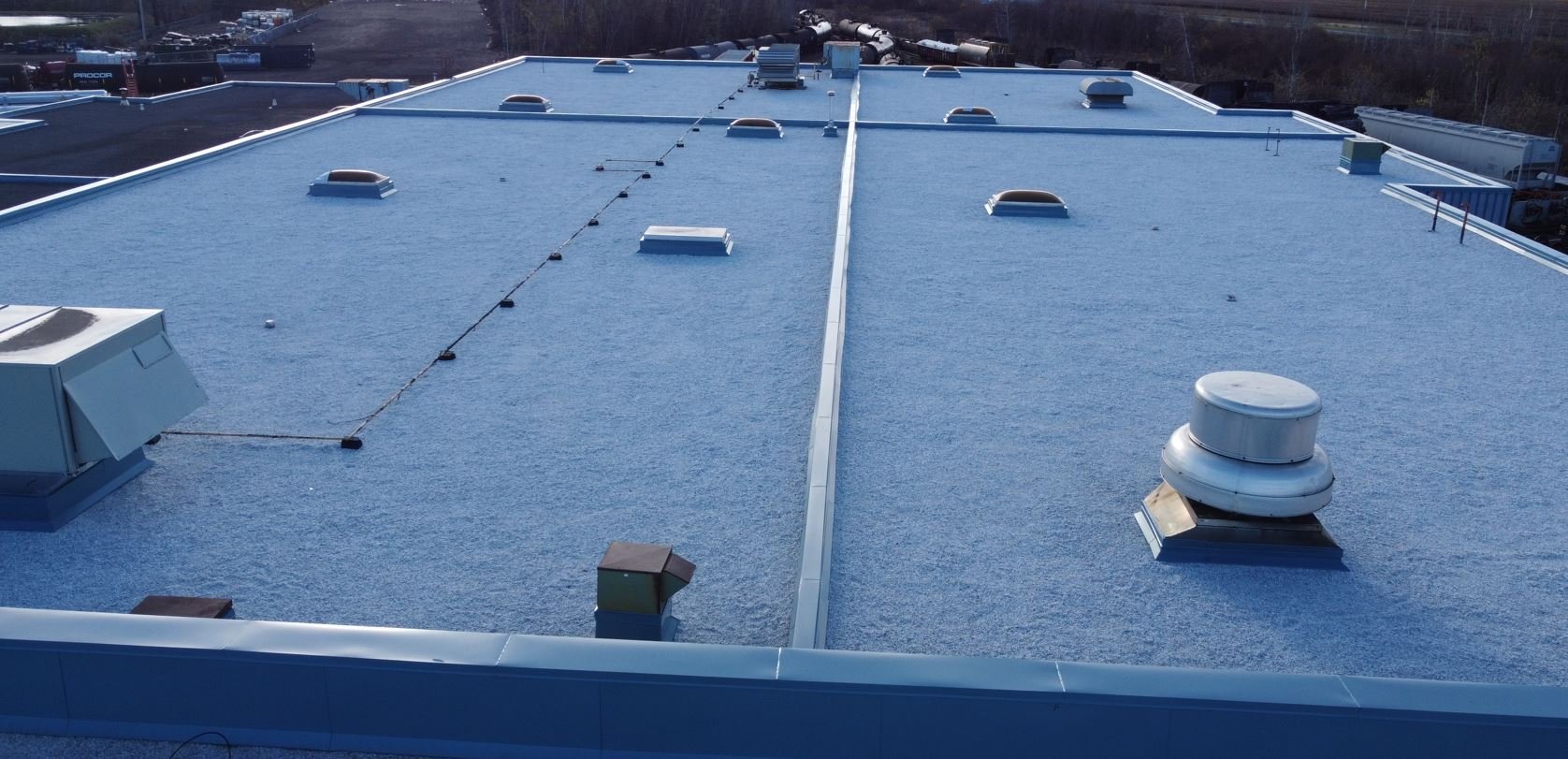
The large rooftops of barns, dairy facilities, poultry buildings and other agricultural structures represent a major source of untapped energy potential across Québec.
Farming operations often combine nearly all the conditions that make solar energy attractive: large available rooftop areas, significant electricity consumption, daytime energy demand and buildings that are typically owned and operated for the long term.
With new financial incentives available in 2026 and Hydro-Québec's expanded net metering program, the conditions are becoming particularly favourable for installing solar panels on Québec farms.
Why Are Agricultural Buildings So Well Suited for Solar Energy?
A photovoltaic system becomes particularly attractive when the electricity it generates can be consumed directly by the business.
This is exactly the case for many agricultural operations.
A dairy farm, for example, requires electricity to operate milking systems, milk cooling equipment, ventilation, pumps and various other electrical systems.
In poultry operations, ventilation, lighting, heating and automated equipment may operate for extended periods throughout the day.
Other agricultural activities may require electricity for grain drying, refrigeration, cold storage, pumping, irrigation and food processing equipment.
A significant portion of this electricity consumption occurs during the same hours that photovoltaic panels are producing power.
Generate and Consume Your Own Electricity
The principle is straightforward.
When solar panels generate electricity during the day, that energy can directly power the farm's equipment.
As a result, the operation purchases less electricity from the grid.
For agricultural businesses with significant and relatively consistent electricity consumption, self-generation can provide an opportunity to reduce and better control long-term energy costs.
Turn Your Agricultural Rooftop Into an Energy-Producing Asset
A roof covering several thousand, or even tens of thousands, of square feet represents a considerable amount of available space.
Traditionally, that roof has served one primary purpose: protecting the building.
Solar energy adds a second function.
The rooftop can become an asset that produces part of the electricity consumed by the farming operation.
Unlike ground-mounted solar projects, rooftop solar can generate electricity without taking valuable land away from agricultural production.
For farms with multiple buildings, the total solar potential can become substantial.
Canadian Farms Are Already Demonstrating the Potential
Agricultural businesses across Canada have already begun adopting this approach.
Dunphy's Poultry, an egg farm located in New Brunswick, provides an interesting example of how solar energy can be integrated into an agricultural operation.
According to the project's case study, the solar installation was able to cover a significant portion of the farm's electricity requirements during its first year.
Projects like this demonstrate an important shift: agricultural solar is no longer simply an experimental technology.
It is increasingly becoming an energy cost-management strategy for agricultural businesses.
Hydro-Québec's New Financial Support Changes the Equation in 2026
One of the most important developments for solar projects in Québec is Hydro-Québec's new financial support for photovoltaic installations.
For eligible projects, financial assistance can reach $1,000 per installed kilowatt, covering up to 40% of eligible project costs.
Consider a 100 kW solar installation.
Hydro-Québec's potential financial support could reach $100,000, subject to program eligibility requirements and eligible project costs.
For agricultural property owners with large rooftop areas, this support can significantly reduce the initial capital required for a solar project.
Net Metering Up to 1,000 kW
Another important development is the expansion of Hydro-Québec's net metering option.
Eligible agricultural customers, as well as qualifying small and medium-power business customers, can access net metering for self-generation systems with a maximum capacity of up to 1,000 kW.
Why does this matter?
A solar installation does not necessarily generate exactly the same amount of electricity that a farm consumes at every moment of the day.
At certain times, solar production may exceed the farm's immediate electricity requirements.
For eligible installations, Hydro-Québec's net metering mechanism allows surplus electricity to be injected into the grid in exchange for kilowatt-hour credits that can be applied to future electricity bills.
This can help agricultural operations maximize the value of the electricity generated by their photovoltaic system.
How Much Does an Agricultural Solar Installation Cost?
The cost of a solar project depends heavily on the building and the characteristics of the installation.
Available rooftop area, system capacity, roofing system, building structure, electrical infrastructure and selected equipment all influence the required investment.
As an example, consider a hypothetical 100 kW system with a gross project cost of approximately $260,000.
With potential Hydro-Québec financial support of up to $100,000, the remaining investment could already be significantly reduced.
Other tax incentives or programs may also apply depending on the business structure and applicable regulations.
For this reason, the financial performance of a solar project should be evaluated based on the actual characteristics of each farming operation rather than simply using an average cost per watt.
What Is the ROI of an Agricultural Solar Project?
There is no universal return on investment for every farm. The financial performance of a project depends primarily on:
- Annual electricity consumption
- The farm's electricity consumption profile
- The applicable Hydro-Québec rate
- Solar system capacity
- Self-consumption rate
- Available rooftop area and orientation
- Total project cost
- Available financial incentives
- Applicable tax measures
- Future electricity costs
This is why a solar feasibility study should be completed before determining the optimal size of an installation.
The objective is not necessarily to install as many solar panels as possible.
The objective is to identify the system capacity that delivers the strongest economic performance for the agricultural operation.
Before Installing Solar Panels: Evaluate the Roof
This is an important factor that is often overlooked.
A photovoltaic system may remain on a rooftop for several decades.
Installing a solar array on a roof that will need to be replaced only a few years later can result in significant costs to remove and reinstall the photovoltaic equipment.
Before installing solar panels, one essential question must therefore be answered: can the existing roof last as long as the solar installation?
At AL Pro Solutions, we recommend evaluating the condition of the roofing system before finalizing the photovoltaic system design.
Depending on the building, this evaluation can include a visual inspection and a more detailed assessment of the roofing assembly.
If roof replacement or rehabilitation will be required in the short or medium term, coordinating the roofing project with the solar installation can provide a much more effective long-term strategy.
The Building Structure Must Also Be Evaluated
Agricultural buildings can have very different structural configurations.
Some relatively recent structures may be capable of accommodating the additional loads associated with a properly designed photovoltaic system.
Older agricultural buildings may require a structural assessment.
The roof's load-bearing capacity should therefore be confirmed before installation.
This process also allows the mounting system to be designed around the actual characteristics of the building rather than designing the solar installation independently from the roof and structure.
Electrical Infrastructure Can Determine the Size of the Project
Having a large roof does not automatically mean that solar panels should cover the entire available surface.
The building's existing electrical infrastructure and the conditions for connecting the system to Hydro-Québec's grid must also be evaluated.
Hydro-Québec specifies that grid connection requests for projects receiving financial support must be submitted by a master electrician or engineer and receive Hydro-Québec's official authorization.
A comprehensive feasibility study should therefore consider the roof, the structure, electricity consumption, the grid connection and the financial performance together.
Together, these factors help determine the optimal capacity of the solar project.
Which Farms Have the Greatest Solar Potential?
The most attractive agricultural operations are generally those with large, relatively unobstructed rooftop areas combined with significant electricity consumption.
Dairy farms, poultry operations, hog farms, greenhouses, refrigerated facilities, vegetable producers and agri-food businesses can all present particularly attractive solar profiles.
However, the size of the farm alone does not determine whether a project will be profitable.
Two neighbouring agricultural operations may achieve very different financial results depending on their electricity consumption, roofing systems and existing infrastructure.
How Can You Determine Whether Your Farm Is a Good Candidate?
Before investing in a photovoltaic installation, a preliminary feasibility study can quickly evaluate the property's solar potential.
At AL Pro Solutions, our approach begins with four key areas.
1. Electricity Consumption
We analyze your electricity bills and consumption profile to estimate the appropriate solar system capacity.
2. Available Rooftop Area
We evaluate available roof surfaces, obstructions, orientation and overall installation potential.
3. Roof Condition
We assess whether the remaining service life of the roofing system is compatible with a long-term solar installation.
4. Project Financial Performance
We combine estimated project costs, electricity production, potential savings and available financial incentives to provide a realistic picture of the project's financial performance.
Your Agricultural Rooftop Could Be One of Your Farm's Most Underutilized Assets
For decades, large agricultural rooftops have essentially been viewed as a necessary expense required to protect buildings and operations.
Solar energy changes that equation.
A suitable rooftop can become an infrastructure asset capable of generating electricity for decades while reducing the farm's exposure to future energy costs.
With the new measures available in Québec in 2026, large agricultural rooftops deserve to be evaluated for their solar potential.
Does Your Farm Have Solar Potential?
AL Pro Solutions helps agricultural building owners evaluate roofing and solar energy projects.
Our combined expertise in commercial and industrial roofing and photovoltaic systems allows us to evaluate the building itself before determining the appropriate size and design of the solar installation.
Do you own a farm, barn, poultry facility, dairy building or agri-food facility in Québec? Contact AL Pro Solutions to request a preliminary solar potential assessment for your agricultural buildings.
📧 al@alprosolutions.ca · 📞 514 222-0998 · 🌐 alprosolutions.ca
Ready to take action?
Discuss your project with our experts.